get in touch

Cross-border remittance Platform-as-a-service
for banks

FinOn xDirect helps banks launch branded remittance services with greater control, stronger economics and faster market

  • Retain more revenue from transaction fees and FX margins
  • Launch direct and semi-direct remittance corridors
  • Improve customer retention through a seamless in-app experience

No upfront CAPEX. Flexible service-based model.

Book a Call

Challenge:

Dependence on Third-Party Remittance Rails

High Cost

Network fees, intermediary charges and FX markups reduce margin on every outbound transfer.

Lack of Transparency

Pricing logic, status visibility, settlement and reconciliation are harder to manage.

Slow Processing and Settlement

Retail cross-border payments can take multiple days.

Poor Customer Experience

Dependence on external providers' flows, rules, availability, and payout options.

Solution:

xDirect Service from FinOn

Removes network dependency by enabling banks and fin institutions to launch remittance corridors on top of bilateral agreements, correspondent accounts

Internet Banking
Branch / Assisted
Mobile Banking

xDIRECT Platform Layer

Sending bank or FI
API integration
Beneficiary validation
FX & fee engine
Routing & processing
Monitoring & reporting
Clearing / reconciliation
Beneficiary bank or FI

Settlement Foundations

Bilateral agreements
Correspondent / settlement accounts
Funding, settlement and reconciliation rules

How it works

1

Connect Once

Integrate the QI FI's digital channels and operating systems to the FinOn remittance layer.

2

Configure Corridors

Define participating banks, identifiers, fee logic, FX rules and settlement arrangements.

3

Operate at Scale

Monitor transfers, expand corridors faster and keep reporting plus reconciliation under control.

Platform as a Service No Upfront Capex

Customer Experience and Features

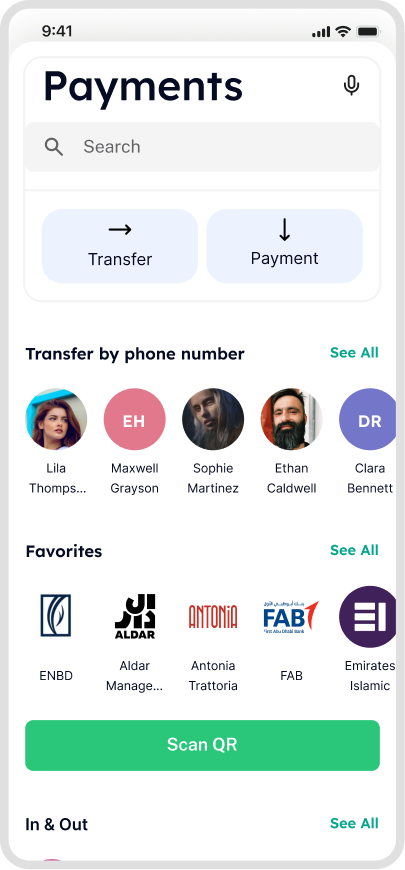
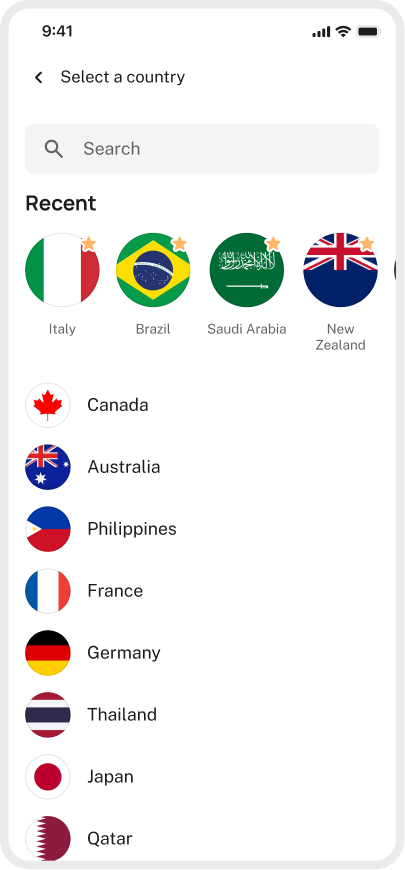
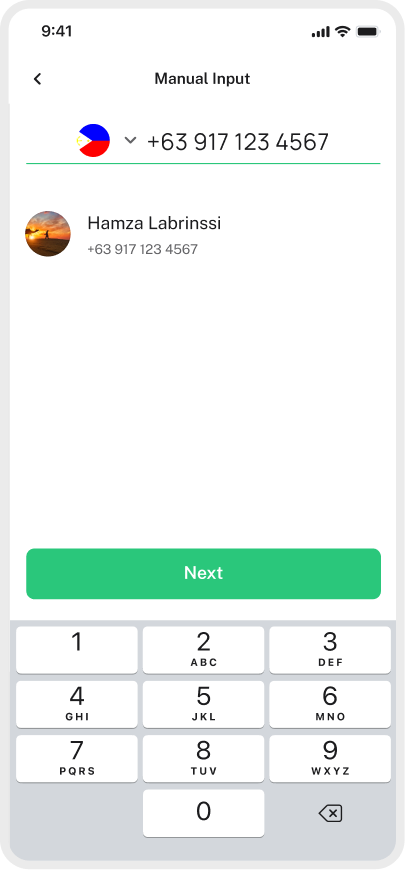
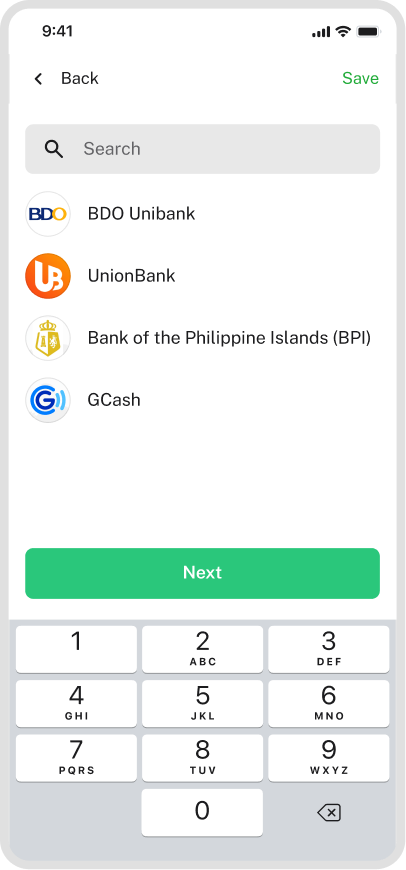
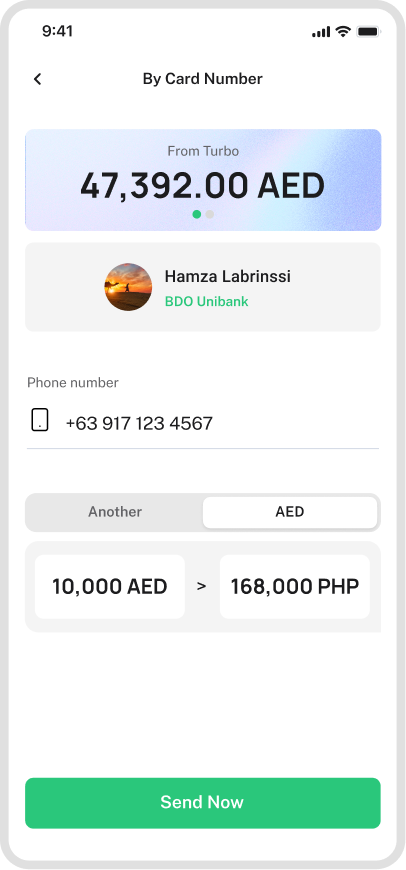
Simple in-app journey for retail customers

1

Select Service

2

Choose Country

3

Enter Phone / card / IBAN

4

Choose bank or payout point

5

Review FX, fee and amount

6

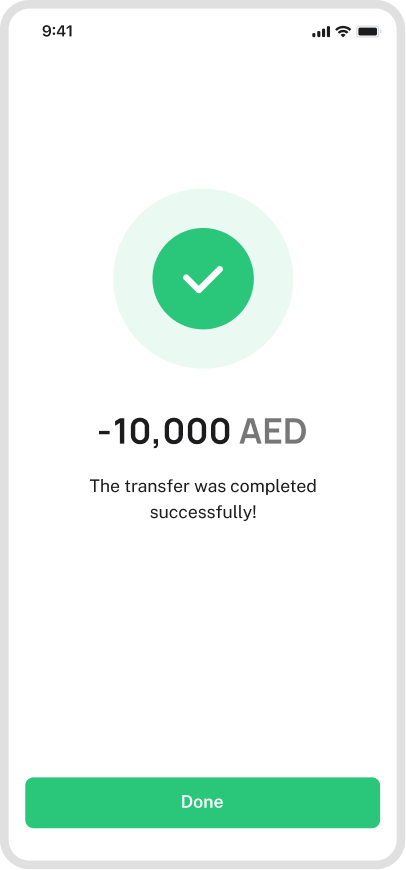
Confirm and send

Benefits: Intuitive customer journey and stronger retention within the fin institution's own channels

Book a Call

Value Proposition

Why this matters commercially and strategically

New Revenue Streams

Earn from transaction fees and FX margin instead of ceding most economics to third parties.

Better Customer Retention

Keep customers inside your app rather than losing flows to exchange houses, wallets or MTOs.

Reduced Dependence

Lower reliance on external card and remittance networks where direct corridors are commercially viable.

Faster Corridor Launch

One integration layer supports the addition of new beneficiary banks, partners and payout types.

Operational Transparency

Gain visibility over transaction status, settlement reporting, reconciliation and exception handling.

White-Label Control

Own the user journey, service proposition and commercial model under the financial institution's brand.

FinOn Direct service helps financial institutions transform cross-border remittances into a scalable revenue product with a better customer experience, stronger operational control, and faster corridor expansion

Book a Call

Frequently Asked Questions

Remittance platform-as-a-service is a model where a bank runs its own branded cross-border transfer service on a third-party technology layer instead of building a platform in-house or sending customers through an external remittance network. FinOn xDirect provides that layer — API integration, routing and processing, FX and fee engine, beneficiary validation, monitoring and reconciliation — while the bank keeps the corridor, the pricing and the customer relationship.

Cross-border remittances are strategically important, yet many banks and financial institutions still route them through external networks and money transfer operators. That dependence creates four recurring problems: network fees, intermediary charges and FX markups that reduce margin on every outbound transfer; limited control over pricing logic, status visibility, settlement and reconciliation; retail transfers that can take multiple days; and a customer experience shaped by the external provider's flows, rules, availability and payout options.

With a network, the provider controls routing, pricing, payout options and status visibility, and takes a share of the economics on every transfer. With xDirect the bank earns from transaction fees and FX margin instead of ceding most of the economics to third parties, and owns the user journey, the service proposition and the commercial model under its own brand.

The service is designed for banks and financial institutions that want to turn cross-border remittances into a revenue product they control — including institutions that already hold bilateral agreements and correspondent accounts and want to monetise them directly, and those losing outbound flows to exchange houses, wallets and MTOs.

No. xDirect is delivered as a platform-as-a-service with no upfront CapEx and a flexible service-based commercial model, so the bank does not fund a platform build, licences or infrastructure to launch its first corridor.

Yes — the service is white-label. Transfers happen inside the bank's own mobile banking, internet banking or branch channels, so the bank owns the user journey, the proposition and the pricing, and keeps customers inside its app rather than losing flows to exchange houses, wallets or MTOs.

Four things beyond the transfer fee and FX margin: stronger retention, because remittance stays inside the bank's channels; faster corridor launch, because one integration layer supports adding new beneficiary banks, partners and payout types; operational transparency over transaction status, settlement reporting, reconciliation and exception handling; and reduced dependence on external card and remittance networks wherever a direct corridor is commercially viable.

Connect once — integrate the bank's digital channels and operating systems to the FinOn remittance layer. Configure corridors — define participating banks, identifiers, fee logic, FX rules and settlement arrangements. Operate at scale — monitor transfers, expand corridors and keep reporting and reconciliation under control. Because integration happens once, each additional corridor is a configuration exercise rather than a new project.

A direct corridor runs on a bilateral agreement and settlement arrangement between the sending and the beneficiary institution, with no external network in the path. A semi-direct corridor uses a partner for last-mile distribution, which lets a bank open a market before a full bilateral relationship is in place. xDirect supports both on the same platform.

Through a single integration of the bank's digital channels and operating systems into the FinOn remittance layer, covering mobile banking, internet banking and branch or assisted flows. The same layer serves all channels, so remittance behaves consistently wherever the customer starts the transfer.

Six steps: select the service, choose the destination country, enter the beneficiary's phone number, card or IBAN, choose the beneficiary bank or payout point, review the FX rate, fee and amount, then confirm and send. The FX rate and fee are shown before confirmation, so the customer sees the exact cost of the transfer up front.

Transfers can be addressed by phone number, card number or IBAN, and routed to a beneficiary bank or a payout point. Adding new beneficiary banks, partners and payout types is done through the same integration layer rather than a new build.

Credit happens in real time, ahead of settlement. The sender initiates, xDirect validates the details, the receiver's bank confirms, and the beneficiary's available balance is updated within seconds — while the actual movement of funds between institutions runs on a separate settlement cycle.

The flow has an online and an offline half. Online: the sender enters details in the bank's channel, the sending bank sends a check request, xDirect performs details verification and passes the credit amount and FX notification to the receiver's bank, the response and fees come back for confirmation, the customer confirms, and the receiver's available balance is increased with an acknowledgment returned through the chain. Offline: xDirect uploads the business cycle result, the clearing bank settles, and reports and registers are generated for the participating institutions, with the beneficiary account credited on the settlement side.

Settlement runs as an hourly batch cycle. xDirect uploads the business cycle results, the clearing bank performs settlement with the sending and receiving institutions, and reports and registers are generated for all parties — which is why customer credit in seconds and interbank settlement are decoupled.

It runs on top of them rather than replacing them. Bilateral agreements, correspondent accounts and the bank's own funding, settlement and reconciliation rules form the settlement foundation; the platform handles clearing and reconciliation against those arrangements and produces the reports and registers the bank's back office needs.

Through the FX and fee engine, configured per corridor as part of corridor setup alongside participating banks, identifiers and settlement arrangements. Fee logic and FX rules stay under the bank's control, and the resulting rate and fee are shown to the customer before confirmation.

The platform's monitoring and reporting layer gives visibility over transaction status, settlement reporting, reconciliation and exception handling, with reports and registers issued to the participating institutions on each settlement cycle.

Yes. Beneficiary validation and details verification happen before the customer confirms — the receiver's bank checks the details and responds, so mismatched or invalid beneficiary data is caught up front rather than surfacing as a failed or returned payment after the money has left.

By configuration, not redevelopment. Because the bank connects to the remittance layer once, expanding means defining a new set of participating banks, identifiers, fee logic, FX rules and settlement arrangements — which is what makes corridor launch faster than negotiating and integrating each route separately.

Do you have any other question?

Ready to see the Full Picture?

Let’s connect - and walk you through a personalized demo.

Your message has been sent.
We will contact you shortly.

Prefer to skip the form?

BOOK A CALL

Prefer to skip the form?

BOOK A CALL

Ready to see the Full Picture?

Let’s connect - and walk you through a personalized demo.

Your message has been sent.
We will contact you shortly.