Payment infrastructure guides, insights, case studies and news
Explore practical guidance on 3D Secure, payment gateways and orchestration, along with customer stories and FinOn updates for banks, PSPs and fintechs.
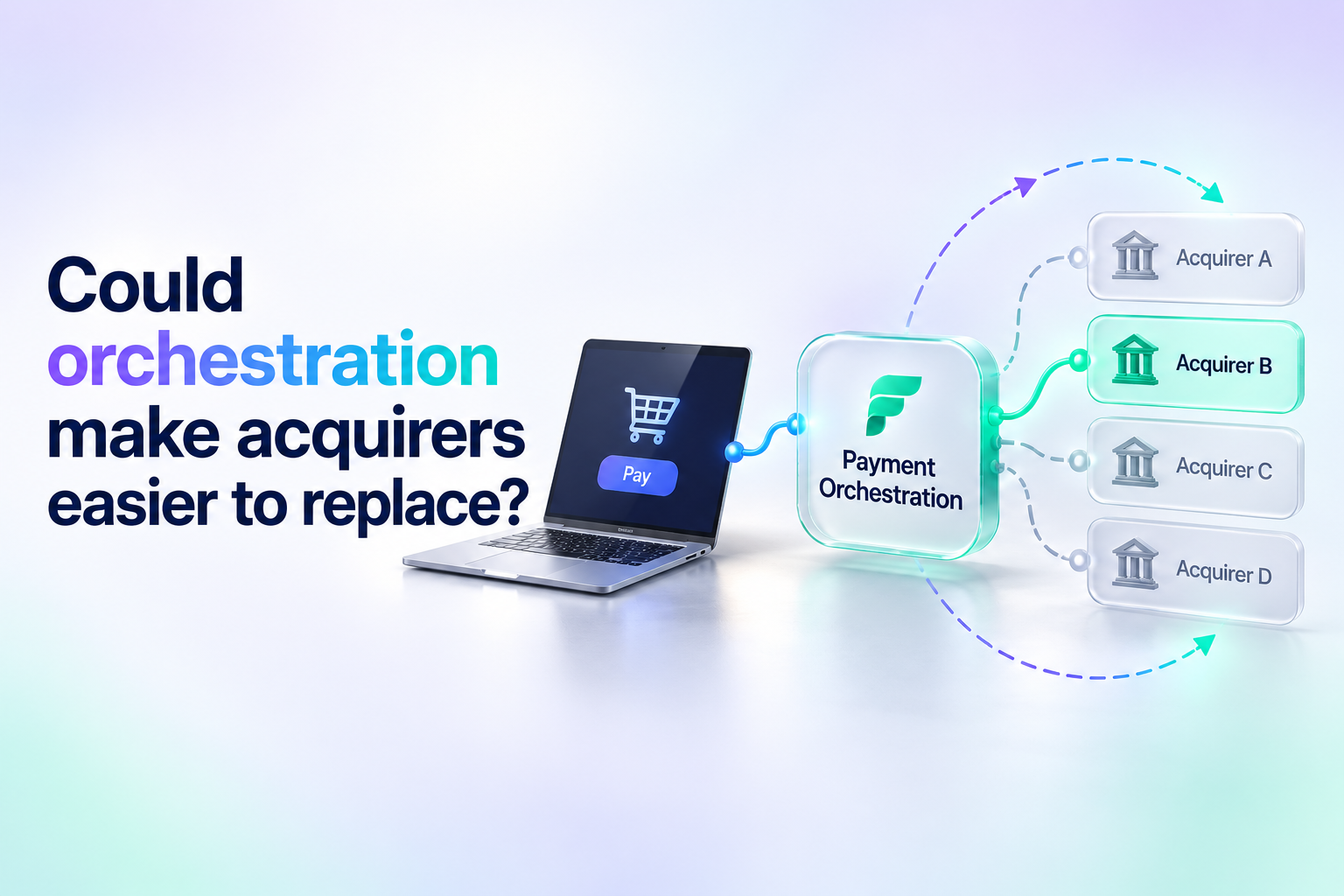
Payment orchestration can shift transaction volume between acquirers without ending the merchant relationship. Explore how payment routing, settlement terms, token portability and back-office operations influence a multi-acquirer strategy.
Stablecoin settlement can help PSPs and acquirers rethink cross-border merchant payouts without changing card checkout. The business case depends on usable-funds timing, all-in costs, liquidity and operational control.
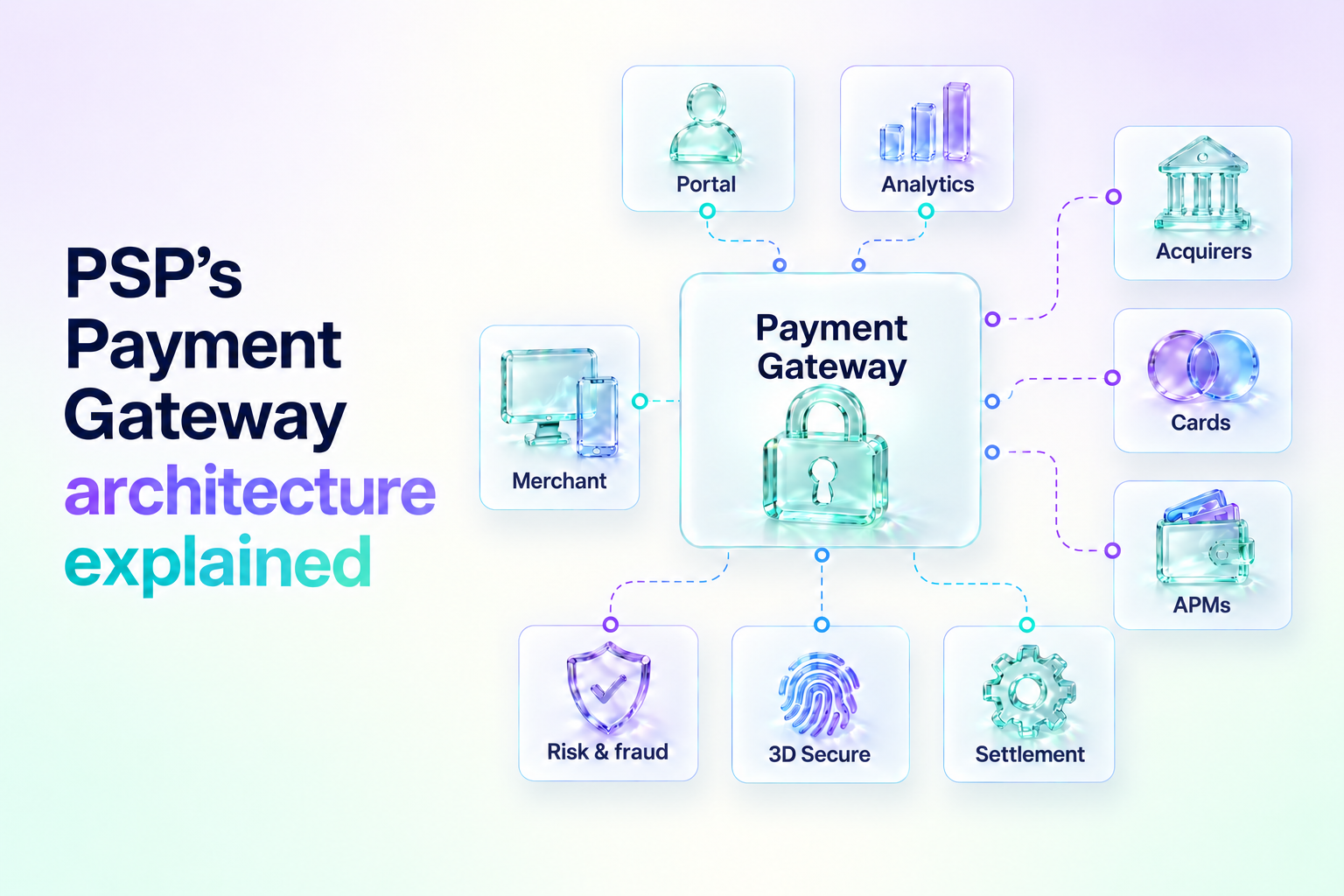
A PSP payment gateway has two workloads that must never be confused: a real-time path that authenticates and authorizes while the customer waits, and a back-office path that turns completed transactions into clearing, fees, merchant balances and settlements. A four-layer breakdown of both, plus what a white-label platform actually absorbs and what a CTO should ask before choosing one.
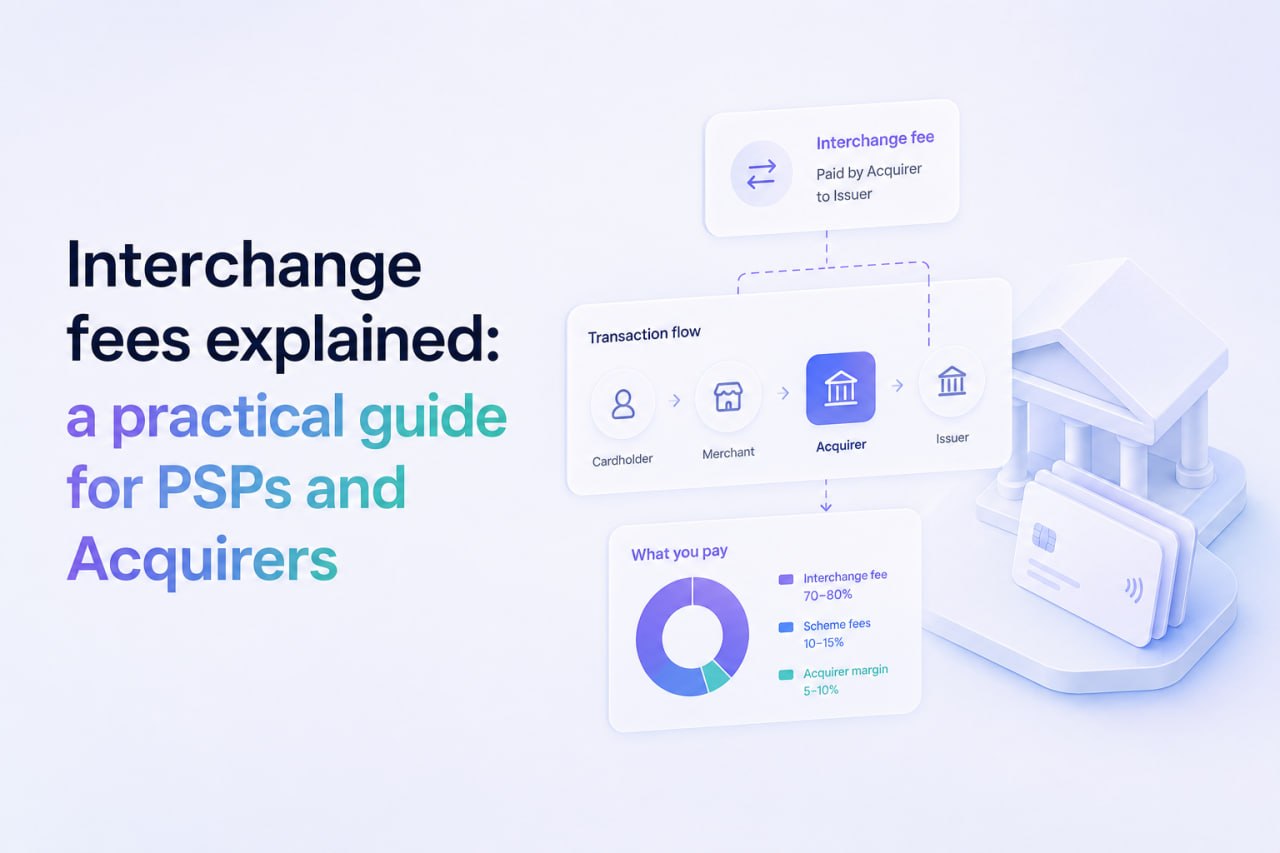
Interchange is often treated as a fixed tax on every card payment: unavoidable and outside the PSP's control. That is only partly true. A practical guide to what is regulated, what varies, and where PSPs and acquirers can genuinely optimise card acceptance costs.
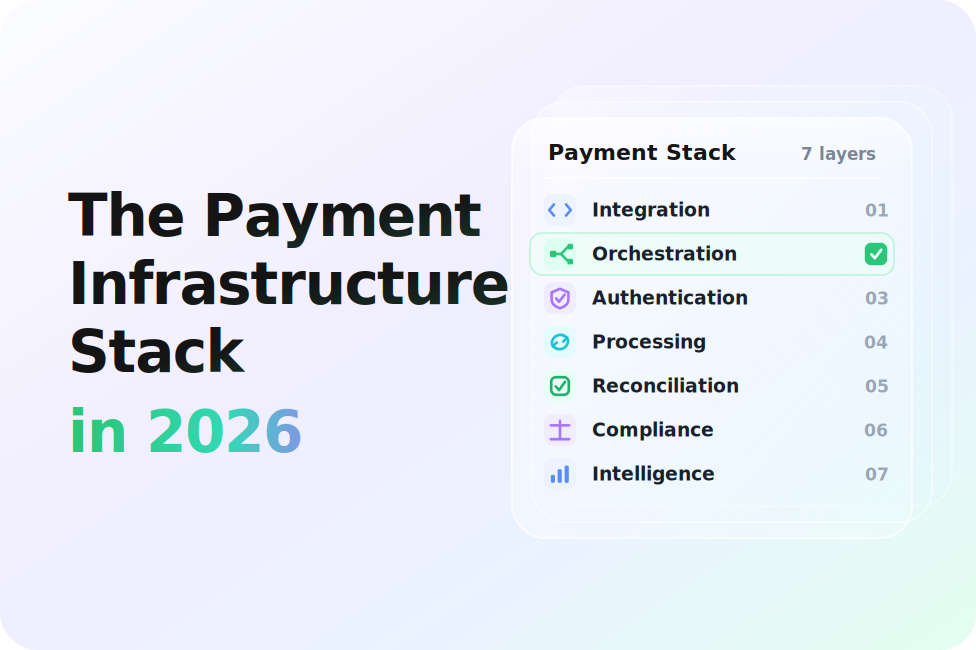
Most payment platforms were built for a single-acquirer, card-only, domestic-first era, and that architecture is now a liability. This article maps the seven layers of a modern payment stack, the five capabilities separating leaders from laggards, and the build-vs-buy decisions every PSP, bank, and fintech must make
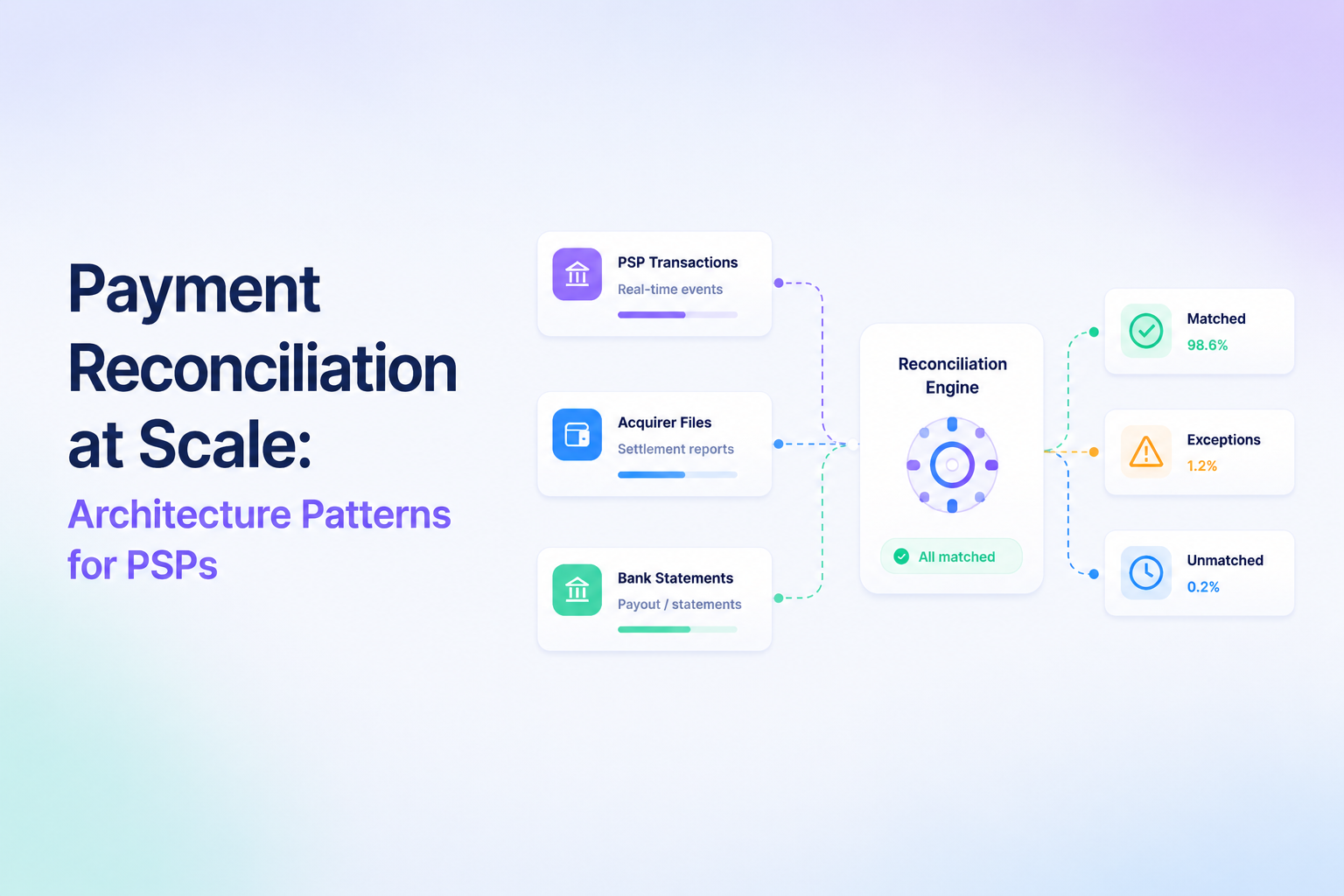
Manual reconciliation silently erodes PSP margins, damages merchant trust, and creates compliance risk. This guide covers the four architecture patterns: provider-agnostic ledger, multi-stage matching, hybrid processing, and exception workflows that production-grade reconciliation systems are built on